

The Psychology Behind Profile Creation
Creating an online dating profile is an exercise in self-presentation and impression management. We carefully select photos that highlight our most attractive features and craft bios that present our best selves while still feeling authentic. A properly designed best asian dating site rewards exactly that kind of discipline. This process taps into fundamental psychological principles of self-perception and social validation. The profile becomes our digital dating persona, often an idealized version of ourselves that we hope will attract the right kind of attention.
Visual First Impressions
Research shows that online dating decisions are made incredibly quickly—often within milliseconds of viewing a profile. Your photo isn’t just a picture; it’s your first handshake, your first smile, your first introduction. This visual assessment activates the same brain regions used in face-to-face interactions, making quality photography crucial. Multiple angles, clear lighting, and genuine expressions work better than posed or filtered images that can create unrealistic expectations.
The Art of Self-Description
When writing your bio, you’re balancing honesty with appeal. The most effective profiles share genuine interests and values while leaving room for discovery. Psychology suggests that revealing moderate vulnerability—mentioning what you’re passionate about or what you’re looking for—creates connection opportunities without oversharing. The best profiles don’t just list hobbies; they tell stories that invite conversation and demonstrate personality traits that potential matches might find attractive.
Understanding Matching Algorithms
Dating platforms use complex algorithms to suggest potential matches, but how these work isn’t always transparent. These systems analyze everything from your stated preferences to your actual behavior on the platform—who you message, who messages you back, and how long conversations last. Understanding this can help you navigate the dating more effectively, recognizing that the algorithm learns from your choices and adjusts its recommendations accordingly.
The Science of Compatibility
Matching algorithms typically consider two main types of compatibility: similarity (shared values, interests, and backgrounds) and complementarity (differences that balance each other). Research suggests that while initial attraction often comes from similarity, long-term relationships frequently benefit from complementary strengths and differences. The most sophisticated dating platforms attempt to balance both, using psychological research to improve their matching accuracy over time.
Behavioral Patterns in Online Dating
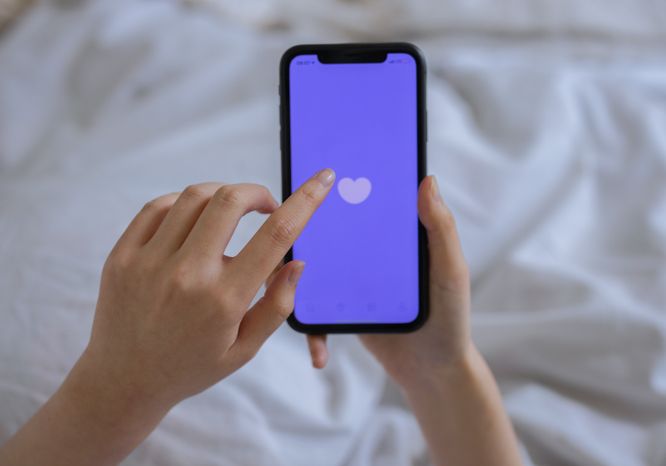
The way we interact with dating apps reveals interesting psychological patterns. Some users exhibit «choice overload,» struggling to make decisions when faced with too many options. Others develop «swipe fatigue,» becoming desensitized to potential matches through excessive use. Recognizing these patterns in yourself can help you develop healthier online dating habits—taking breaks when needed, setting time limits, and focusing on quality over quantity in your matches.
Communication Psychology in Digital Dating
The shift from in-person to digital communication creates unique psychological challenges and opportunities. When messaging potential matches, you’re working with text alone, losing crucial non-verbal cues like tone of voice, body language, and micro-expressions. This limitation makes first messages particularly important—they set the tone for future interactions and determine whether a conversation continues or fades away.
The Power of Opening Messages
Research indicates that the most effective opening messages in online dating are personalized, specific, and ask thoughtful questions. Generic compliments or simple «hi» messages often lead to dead ends, while references to something in the person’s profile demonstrate genuine interest and increase response rates. The psychology here is simple: specificity shows you’ve paid attention, creating a sense of being uniquely noticed rather than just another swipe.
Building Emotional Connection Through Text
Text-based communication requires different strategies than face-to-face conversations. Effective digital daters learn to convey emotion carefully, using emojis sparingly to clarify tone and asking open-ended questions that invite sharing. The psychology of text dating involves balancing vulnerability with self-disclosure—sharing enough to create connection while maintaining appropriate boundaries. This digital dance of revelation creates the foundation for deeper connections that may eventually move beyond the screen.
Navigating the Transition from Online to Offline
One of the most psychologically complex aspects of online dating is the transition from digital communication to in-person meetings. This shift involves managing expectations, testing chemistry that exists only in text, and navigating the vulnerability of face-to-face interaction after potentially weeks of online connection. Understanding this process can help reduce anxiety and increase the likelihood of successful real-world encounters.
Managing Expectations
The psychology of online dating often creates what researchers call the «idealization effect»—we build mental images of matches based on carefully curated profiles and limited interactions. Managing this effect involves recognizing that real people are more complex than their online representations. Successful daters approach first meetings with curiosity rather than rigid expectations, allowing space for the organic development of attraction and connection.
First Meeting Psychology
| Psychological Factor | Impact on Online Dating | Strategic Response |
|---|---|---|
| Choice Paralysis | Too many options reduce satisfaction with chosen matches | Limit daily swiping, focus on quality connections |
| Expectation Mismatch | Digital personas differ from real people | Meet relatively early to verify chemistry |
| Social Comparison | Constantly comparing potential partners | Focus on individual qualities, not just alternatives |
| Rejection Sensitivity | Perceived rejection causes emotional distress | View non-responses as mismatch, not personal judgment |
| Performance Anxiety | Pressure to «perform» during dates | Prepare conversation topics, practice active listening |
| Cognitive Dissonance | Conflict between online and offline behavior | Maintain authenticity across all interactions |
Online Dating Safety and Psychological Well-being
Frequently asked questions
How does online dating affect self-esteem?
Online dating can impact self-esteem in both positive and negative ways. While it can boost confidence through positive matches and attention, it may also trigger comparison and rejection sensitivity. Maintaining perspective and not internalizing every outcome is crucial for psychological well-being.
Why do some people ghost in online dating?
Ghosting often stems from the psychological distance created by digital communication. Without face-to-face consequences, some find it easier to disappear rather than engage in difficult conversations. It’s rarely about the other person’s worth but more about the ghoster’s own emotional capacity or communication skills.
How can I tell if someone is genuine in their online dating profile?
Genuine profiles typically include specific details rather than vague generalizations, have consistent information across photos and text, and show engagement in the conversation. Pay attention to whether the person asks questions about you and follows through on plans they make.
Does online dating lead to more meaningful relationships?
Research suggests that online dating relationships can be just as meaningful as those formed offline. The key factors are mutual intention, compatibility, and the effort invested in developing the connection. Online platforms simply expand the pool of potential partners, not the fundamental requirements for relationship success.
Conclusions
The psychology of online dating reveals a fascinating intersection of human behavior and technology. By understanding the psychological mechanisms at play—from profile creation to first dates—you can navigate the digital dating landscape more effectively and authentically. Remember that online dating tools are just that—tools. The most meaningful connections still develop through genuine human interaction, mutual understanding, and emotional vulnerability. As you engage with the world of online dating, approach it with both psychological awareness and an open heart, recognizing that the algorithms and apps are simply facilitating connections that ultimately
